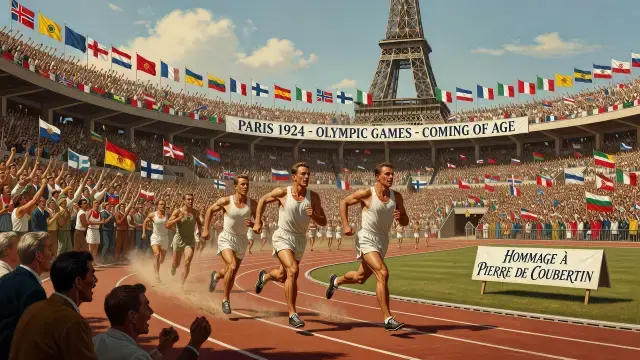
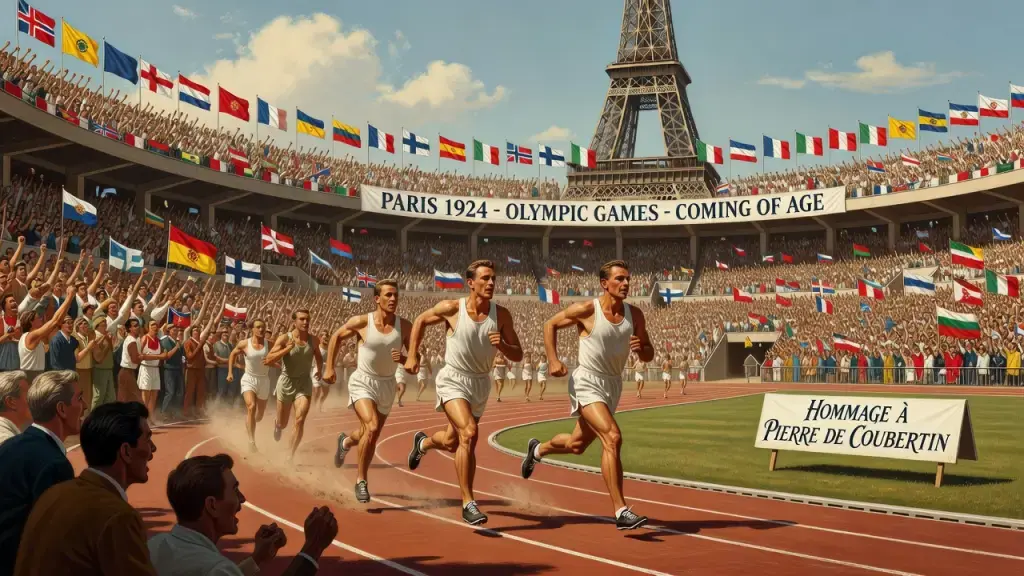
The 1924 Olympic Games, staged in Paris from May 4 to July 27, stand as a pivotal moment in the history of the modern Olympic movement. Held partly as a tribute to Pierre de Coubertin, the retiring IOC president and founder of the Games, the event drew more than 3,000 athletes from a then-record 44 nations, including over 100 women competing across a broadening program of sports.
What set Paris 1924 apart was the sheer quality of competition on display. International federations had taken firmer control of their sports, standardizing rules in ways that gave the Games a more professional, coherent structure than earlier editions. Most national Olympic committees now ran proper trials to select their strongest teams, a shift that elevated the overall standard of competition. For readers tracking how global sporting institutions evolved into the governed, high-stakes spectacles followed today - much like fans monitoring form and storylines through outlets such as royalplay360 - Paris 1924 offers a clear marker of when the Olympics began resembling the modern Games we recognize.
Finland's Distance Running Dominance
On the track, the Finnish team was simply unmatched in the distance events. Paavo Nurmi and Ville Ritola led a squad that dominated middle- and long-distance running, cementing Finland's reputation as a powerhouse in endurance athletics during this era. Their performances became one of the defining storylines of the Games, setting a standard that influenced distance running for years afterward.
Swimming Takes Center Stage
For the first time, swimming rivaled track and field in terms of public attention, thanks to an exceptional field of talent. Duke Kahanamoku and Clarence "Buster" Crabbe represented the United States, while Andrew "Boy" Charlton of Australia, Yoshiyuki Tsuruta of Japan, and Arne Borg of Sweden all added international depth to the competition. Towering above them all was Johnny Weissmuller, who claimed three gold medals in the pool and added a bronze as part of the U.S. water polo team - a performance that made him the breakout star of the Games.
Tennis Bows Out, Fencing Expands
Away from track and pool, Helen Wills of the United States won gold in both the singles and doubles tennis events, capping a strong showing for American women at the Games. Fencing, meanwhile, was added to the women's program, broadening opportunities for female athletes even as the overall event count dipped slightly due to reductions in shooting and yachting competitions. Ironically, tennis's success at Paris 1924 coincided with growing concerns over amateur eligibility among competitors, concerns serious enough that the sport was dropped from the Olympic program afterward. Tennis would not return to the Games until 1988, more than six decades later.
A Lasting Legacy
Paris 1924 is remembered not just for its champions but for the structural maturity it brought to the Olympic movement - standardized rules, competitive selection processes, and a genuine sense of global sporting theater. The Games laid groundwork that shaped how future Olympics, including the modern era's heavily scrutinized and professionally organized editions, would be run and perceived by audiences worldwide.